

Yad-Marpe
March 31, 2025

Acute inflammation is the body’s natural defense mechanism in response to injury or infection. It occurs suddenly, lasts for a short duration, and plays a crucial role in initiating the healing process. While it is essential for recovery, excessive or prolonged inflammation can lead to complications that require professional intervention.
The inflammatory response is triggered when the body detects harmful stimuli, such as pathogens, damaged cells, or irritants.

Some of the most common causes include:
The symptoms of acute inflammation can vary depending on the underlying cause, but common indicators include:
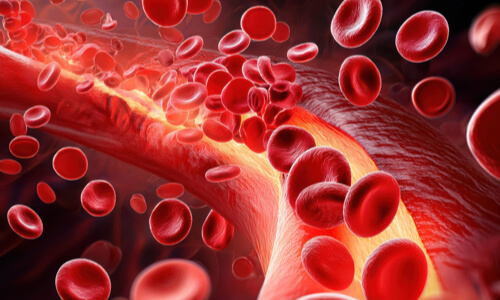
When an injury or infection occurs, the immune system activates specialized cells that produce inflammatory mediators. These molecules help repair tissues and eliminate harmful invaders.
The acute inflammatory response unfolds in three primary stages:
Inflammatory signals attract white blood cells (leukocytes) to the affected site, preparing the body for a defense response.
Additional immune cells and proteins are recruited to combat infection or repair damaged tissues.
Once the threat is neutralized, anti-inflammatory compounds help restore normal function and prevent excessive damage.
Managing acute inflammation effectively requires a combination of medical intervention and lifestyle modifications.
Here are some recommended approaches:
Allowing the body time to heal is crucial for reducing inflammation. Immobilizing the injured area can prevent further damage. Rest also allows the immune system to focus on healing the affected area without further strain.

Applying ice packs to swollen regions constricts blood vessels and reduces fluid buildup. This method is most effective when used within the first 48 hours of an injury. It should be applied in 15- to 20-minute intervals with breaks in between to avoid skin irritation.

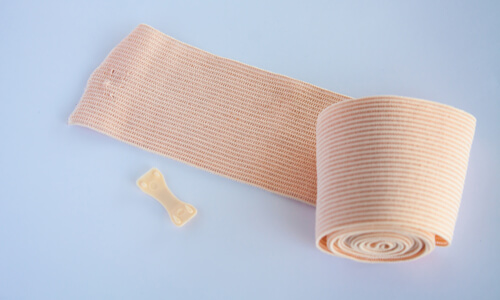
Using compression bandages can minimize swelling and provide support to the affected area. Proper compression improves circulation and prevents excessive fluid accumulation. Ensure the bandage is snug but not too tight to avoid restricting blood flow.
Keeping the injured limb elevated helps reduce blood flow to the inflamed site, promoting faster healing. Elevation works best when combined with other methods such as rest and compression.

Nonsteroidal anti-inflammatory drugs (NSAIDs) like ibuprofen and aspirin can alleviate pain and swelling. However, prolonged use should be monitored by a healthcare professional to prevent side effects such as stomach irritation.

Rehabilitation exercises and manual therapy can improve recovery, particularly for musculoskeletal injuries. Learn more about the benefits of physiotherapy for injury recovery. Physiotherapy may involve specific treatments such as spinal mobilization, massage therapy, or dry needling to alleviate inflammation and promote healing.

Anti-inflammatory foods such as berries, fatty fish, and leafy greens support the body’s healing mechanisms. Staying hydrated also flushes toxins from the system. Nutrients like omega-3 fatty acids and antioxidants help reduce inflammatory markers in the body.

Regular exercise, stress management, and maintaining a healthy weight can prevent excessive inflammation. Engaging in low-impact activities, such as yoga or swimming, can promote blood circulation without straining injured tissues.

While mild cases of acute inflammation can be managed at home, medical attention is necessary if you experience:
Physiotherapy plays a vital role in managing inflammation-related conditions. Explore how physiotherapy supports the nervous system during recovery.
Although acute inflammation is temporary, repeated episodes can contribute to chronic conditions such as arthritis, cardiovascular disease, and autoimmune disorders. Persistent inflammation can also impact tissue health, leading to fibrosis or scarring. Early intervention and proper management can prevent these long-term effects.
Understanding acute inflammation helps in recognizing its role in healing and knowing when intervention is required. By adopting proper treatment strategies, inflammation can be controlled, allowing for a smoother recovery process. Preventative measures, including proper nutrition, regular exercise, and appropriate medical care, play an essential role in minimizing inflammation-related complications.
For expert physiotherapy services, visit our services page or contact us for personalized care.
A truly useful and well-written article! I keep coming back to this site because it
always delivers great content.